
Oodles of noodles
How to navigate the wonderful world of Asian noodles.

There’s a enormous bank of cold cabinets at my favourite Asian grocery store, stocked with dozens of kinds of fresh and frozen noodles. Alongside it is a long stretch of shelved dry noodles, a great wall of intriguing, thrillingly coloured packages, all in languages I can’t read.
The sheer number of options for noodles can be overwhelming. There are so many kinds of noodles – oodles, you might say – that it can be hard to know where to begin, so I’ve put together some practical advice to help navigate them. It starts with three questions.
What are the noodles for?
Thinking about how the noodles will be prepared will guide you towards the right ones for the job.
Noodles used as part of a soup can often be cooked directly in the broth — think pho, ramen, udon, rice vermicelli in laksa, or soba and sōmen in miso broth. The noodles absorb flavour as they cook, making the soup richer and more integrated.
For stir-fries, you’ll want noodles that will hold their shape and won’t break apart under high heat, such as chow mein, Hokkien or rice stick noodles for dishes like pad thai or char kway teow.
For noodles that will be tossed in sauces, go for types that cling well to thick or oily dressings. Egg noodles, Shanghai noodles, wheat noodles, or ramen work beautifully with sesame, soy or chilli oil based sauces.
For cold noodle dishes, choose non-wheat noodles that won’t turn gluey when chilled like soba, glass noodles (mung bean vermicelli), naengmyeon, or liangpi. These will stay firm and springy when cold and pair well with tangy, nutty or spicy dressings.
What are the noodles made from?
Knowing what the noodles are made from can help clarify some basic differences and guide you towards their best uses.
Wheat noodles have a heartier, chewier texture. Ramen, udon, chow mein, and Hokkien noodles are all wheat-based.
Rice noodles are lighter, more delicate, and gluten-free. Examples include the noodles used in pho, pad thai and vermicelli salads.
Other noodles have specialty textures and flavours. Soba noodles are made from buckwheat, glass noodles are made from mung beans, and naengmyeon combine buckwheat with potato or sweet potato starch for a unique chew.
Shape, size and thickness
Consider the size, thickness, and shape of noodles as good clues to how they’re best used.
Thin noodles cook quickly and work well in soups and stir-fries.
Thick noodles are heartier and need slightly longer cooking, so they’re better suited to robust sauces and soups.
Flat, wide noodles hold sauce differently to thin, round noodles, often carrying richer or chunkier sauces and ingredients more effectively.
The beauty of this framework is that once you understand these basics, you can start to play, swapping noodles between cuisines, trying new textures, and discovering what you enjoy most.
Here’s a country-by-country guide to the most popular or useful noodles.
Japanese noodles
Japan’s noodles are all about contrast: thick vs thin, hot vs cold, delicate vs hearty. Each variety tells a story of tradition, technique, and pure comfort.
Ramen
Let’s start with the rock star of the noodle world. Those perfectly curly, springy wheat noodles have conquered hearts (and Instagram feeds) worldwide. But here’s what makes authentic ramen special: these golden strands are designed to cradle rich, complex broths that have been simmering for hours. They’re built to soak up deeply savoury flavours and stand up to bold toppings like tender pork, jammy eggs and crisp nori. When you slurp them up – and yes, slurping is not just allowed, it’s encouraged – they deliver pure liquid comfort with every bite.
Best for: Brothy bowls where flavour and slurpability reign supreme.
Udon
If ramen is the flashy performer, udon is the reliable best friend. These thick, pillowy wheat noodles have an almost meditative chewiness that the Japanese call koshi. They’re like edible hugs, neutral enough to let delicate dashi broths shine, yet substantial enough to satisfy your deepest comfort food cravings. Their mild flavour makes them a blank canvas, whether served steaming in soup or chilled with a dipping sauce in summer. Pro tip: they’re absolutely magical served ice-cold on sweltering summer days.
Best for: Hot soups and cold dipping dishes. They shine in simplicity.
Soba
Made from nutty buckwheat flour, soba noodles are Japan’s answer to healthy indulgence. They have this gorgeous grey-brown colour and an earthy flavour that makes you feel like you’re dining in a mountain temple. The Japanese are so serious about soba that master noodle-makers train for years to perfect the art of hand-cutting these beauties. Slender and elegant, they’re just as happy floating in a warm broth as they are dipped into a chilled, umami-rich sauce.
Best for: Light, refreshing dishes in summer, or as a gentle warm-up in winter soups.
Chinese noodles
China gave us the original noodle game, and boy, did they bring variety. With thousands of years of noodle innovation, Chinese cuisine offers something for every texture craving.
Lo mein noodles
These golden, slightly chewy egg noodles are your stir-fry superhero. Round and soft, made from wheat flour, water, and eggs, their signature yellow hue comes from the eggs, and their texture makes them practically engineered to grab onto sauces and never let go. They’re the noodle equivalent of that friend who makes everything more fun, often used in stir-fries packed with crispy vegetables and savoury sauce.
Best for: Stir-fried dishes where the noodles share the spotlight with the sauce.
Hokkien noodles
Also known as yellow noodles, these round, eggy noodles are springy and rich in colour. Made from wheat flour and eggs, they have a slightly firmer texture that adds a distinct flavour and visual appeal. Often found in Malaysian and Singaporean dishes, they bring a bit of bounce to any stir-fry or noodle soup.
Best for: Anything saucy, spicy, or rich — these noodles hold their own.
Chow mein
Here’s where things get interesting. Chow mein noodles are lo mein’s thinner, more adventurous cousin. Often par-cooked, then stir-fried, the magic happens in the wok, where they develop this incredible contrast of crispy edges and tender centres. That golden edge? Utterly addictive. It’s like getting the best of both worlds in every bite.
Best for: Stir-fries where you want a mix of soft and crispy noodles.
Rice noodles
Don’t let their innocent appearance fool you – rice noodles are the chameleons of the noodle world. Made simply from rice flour and water, they come in every imaginable width and soak up flavours like edible sponges. Naturally gluten-free, they range from skinny vermicelli to wide, slippery sheets. Wide ones love bold sauces; thin ones are perfect for subtle broths, making them the inclusive option at any noodle party.
Best for: Dishes like pad see ew, pho, or cold noodle salads with punchy dressings.
Glass noodles (cellophane noodles)
Also called cellophane or bean thread noodles, these translucent mung bean beauties are like culinary magic tricks. They start opaque, then transform into glass-like strands that seem to disappear into whatever you’re cooking. They don’t have much flavour on their own, but that’s their superpower – they become whatever dish they’re in. They just need a quick soak in hot water (5–10 minutes) to become tender and translucent – no boiling required.
Best for: Soups, spring rolls, and stir-fries that need a delicate noodle.
Thai noodles
Thai noodle dishes are like flavour fireworks – they hit every taste bud with precision and leave you craving more.
Pad thai noodles
These medium-width, flat rice noodles are sturdy enough to handle the sweet-sour-salty-spicy symphony that is Pad Thai sauce. Built for the hustle and sizzle of a hot wok, they have just the right amount of chew to stand up to vigorous wok action while staying tender enough to twirl around your fork (or chopsticks, if you’re feeling fancy). Chewy, resilient, and ready to be tossed with tamarind, peanuts, and lime.
Best for: Pad Thai, naturally — but also great in other quick stir-fried dishes.
Sen yai
Wide, flat, and gloriously slippery, these rice noodles are like silk ribbons for your mouth. They have this amazing ability to slide past your lips while carrying maximum flavour payload. Watch them dance in the wok as they absorb dark soy sauce and transform into glossy, irresistible perfection. Think of them as the Thai sibling to Chinese hor fun.
Best for: Hearty dishes like Pad See Ew and drunken noodles.
Other popular Asian noodles
Korean japchae noodles
Made from sweet potato starch, these glass noodles (also called dangmyeon) have a uniquely satisfying chew and a subtle sweetness that makes Japchae one of Korea’s most beloved dishes. Glossy and springy, they’re like little flavour vehicles that carry sesame oil, vegetables, and happiness in every strand.
Best for: Stir-fries that want a hint of chew and a lot of shine.
Vietnamese pho noodles
Flat, silky, and perfectly proportioned for slurping with soup spoons, these rice noodles are the foundation of Vietnam’s national dish. They cook in minutes and have this wonderful way of soaking up aromatic pho broth while maintaining their delicate texture. Usually narrower than Thai rice noodles, they’re the star of Vietnam’s famous Pho soup.
Best for: Pho and other Vietnamese soups.
Singapore noodles
Plot twist: these thin rice vermicelli aren’t actually from Singapore! More commonly found in Cantonese cuisine, they’re often stir-fried with curry powder, giving them a distinctive yellow colour and flavour. But don’t let that stop you from enjoying these curry-powder-dusted beauties that turn golden yellow in the wok and deliver incredible flavour in every thin strand.
Best for: Stir-fries with a mix of vegetables and proteins.
Tips for cooking Asian noodles
Don’t be a noodle murderer: Asian noodles cook fast – we’re talking minutes, not the pasta marathon you’re used to. Set a timer, taste early, and remember that they’ll continue cooking a bit even after draining.
The cold shower trick: Planning to stir-fry or serve cold? Give your cooked noodles an ice-water rinse to stop the cooking process and prevent them from turning into a gummy mess.
Oil is your friend: A light toss with neutral oil prevents cooked noodles from staging a rebellion and sticking together. Think of it as noodle insurance.
Match made in heaven: Delicate noodles love gentle treatment and light broths. Sturdy noodles can handle the wok heat and bold sauces. It’s like dating: compatibility matters.
The beautiful truth is that there’s no wrong way to start exploring. Each type offers a different experience, a new texture, a fresh way to think about comfort food. From the chewy udon of Japan to the delicate rice noodles of Thailand, each brings its own character to a dish. Whether you’re craving the soul-warming embrace of a ramen bowl, the satisfying chew of udon, or the elegant simplicity of soba, there’s a noodle out there waiting to become your new obsession.

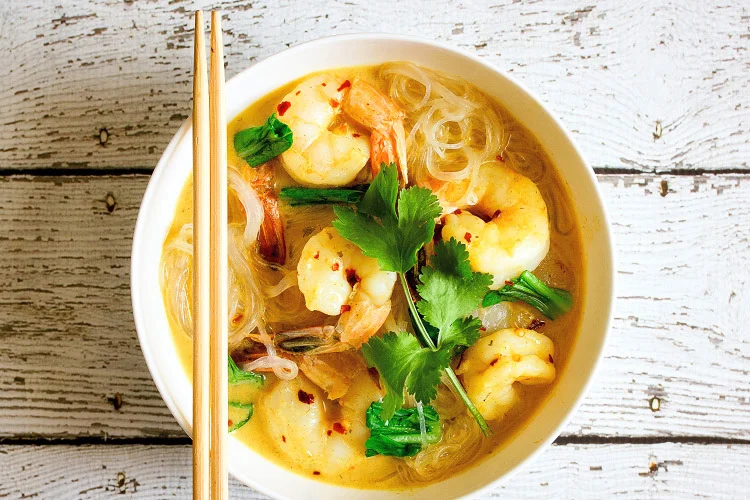

Making this classic Southeast Asian spicy noodle soup at home is easy, and you can prep along the way.